
- This event has passed.
SPIN-FERT & Hort2theFuture – Policy Scoping Workshop
March 3 @ 10:00 am – 1:00 pm
SPIN-FERT & Hort2theFuture Invite to Policy Scoping Workshop
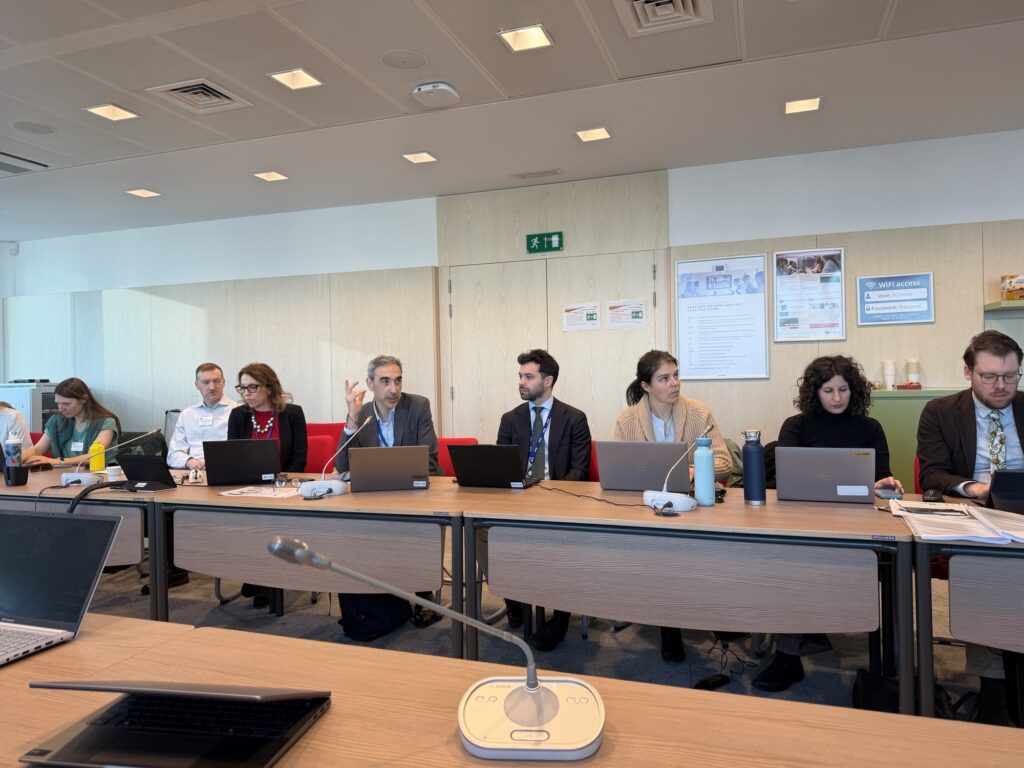
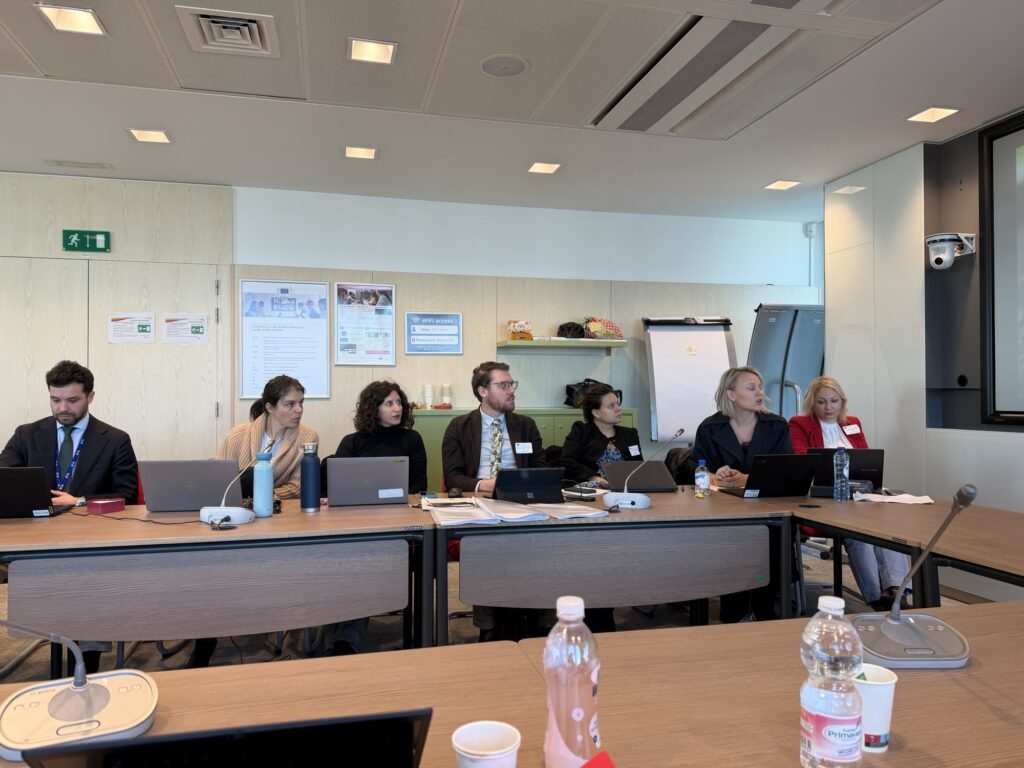
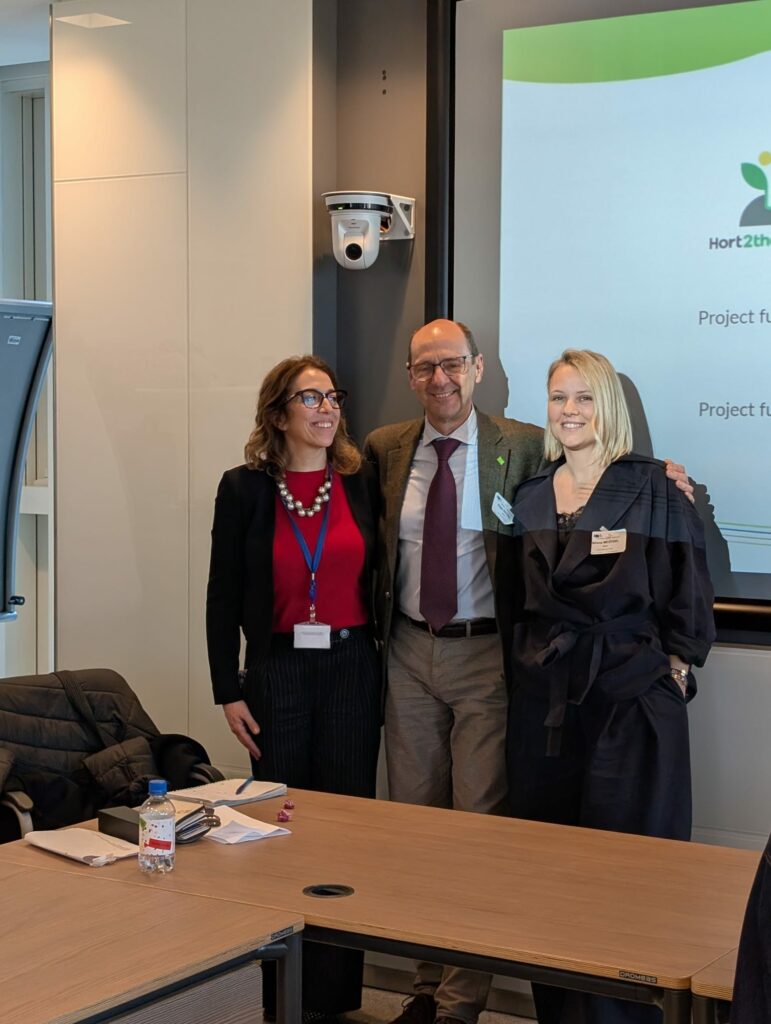
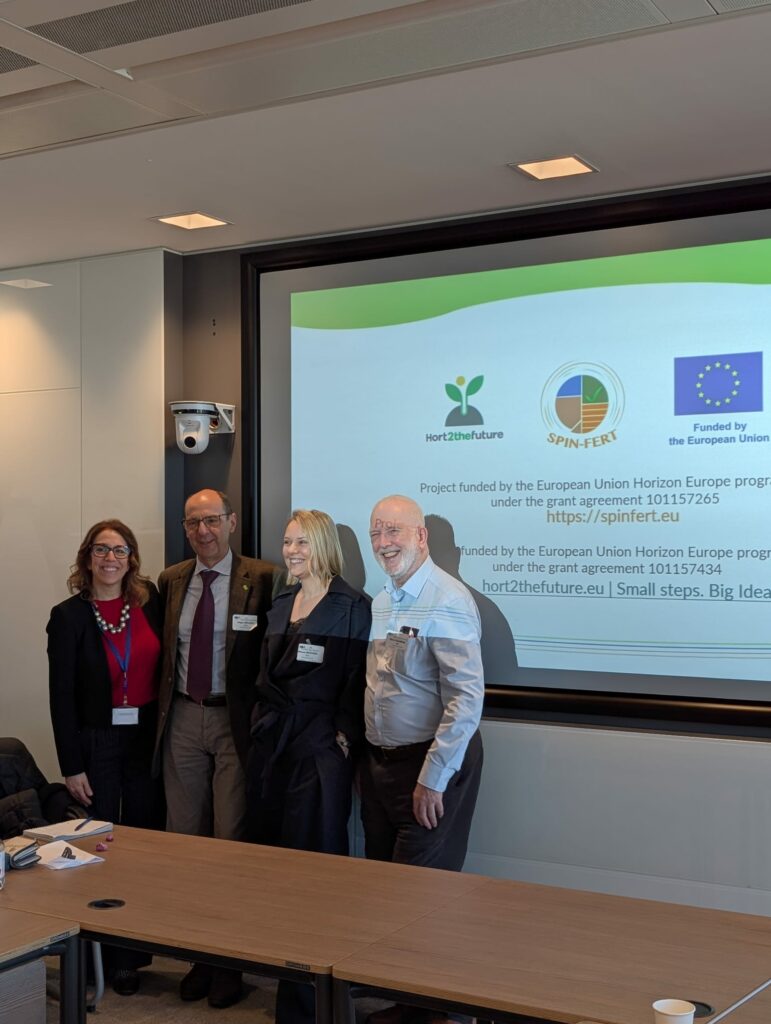
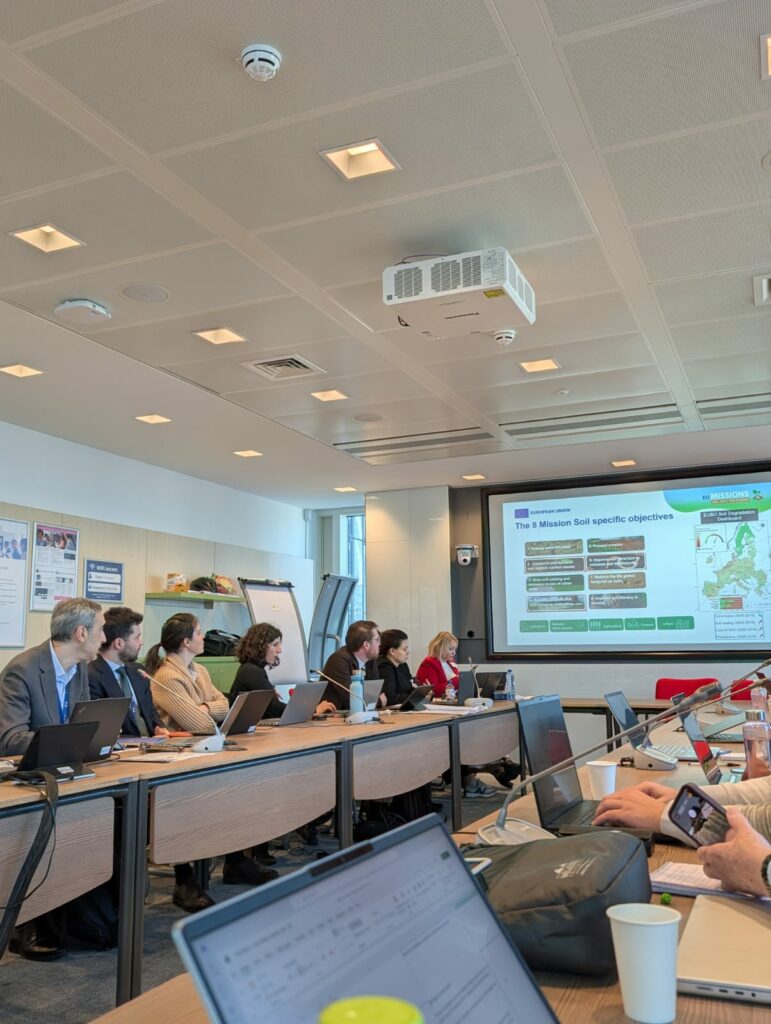
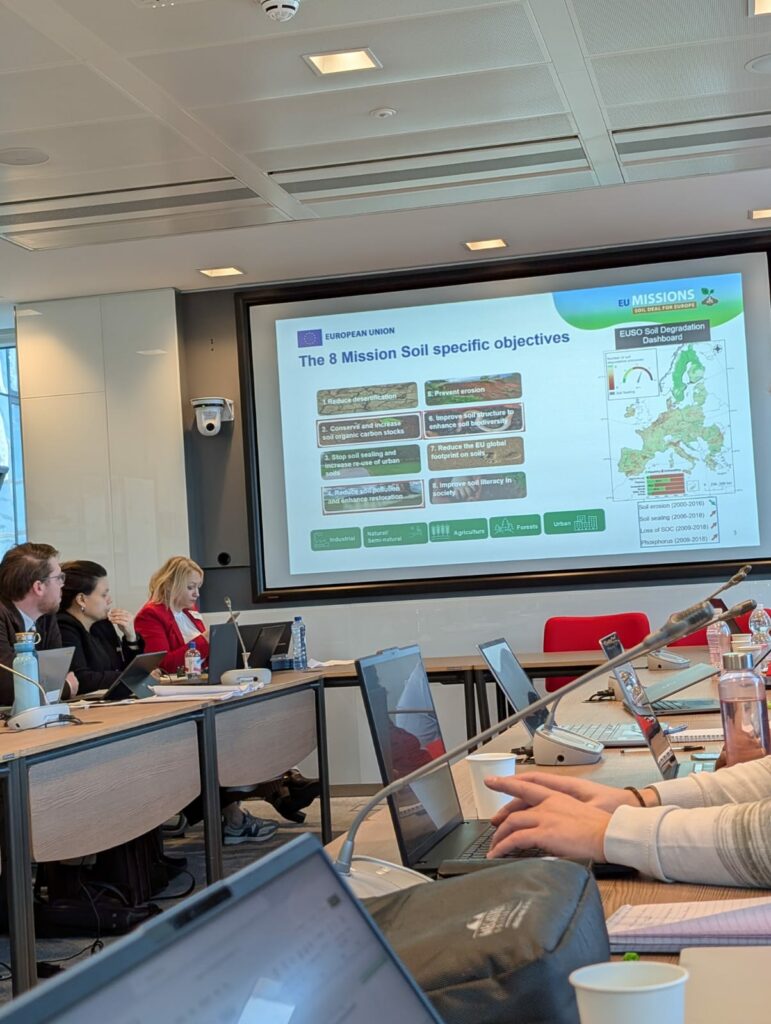
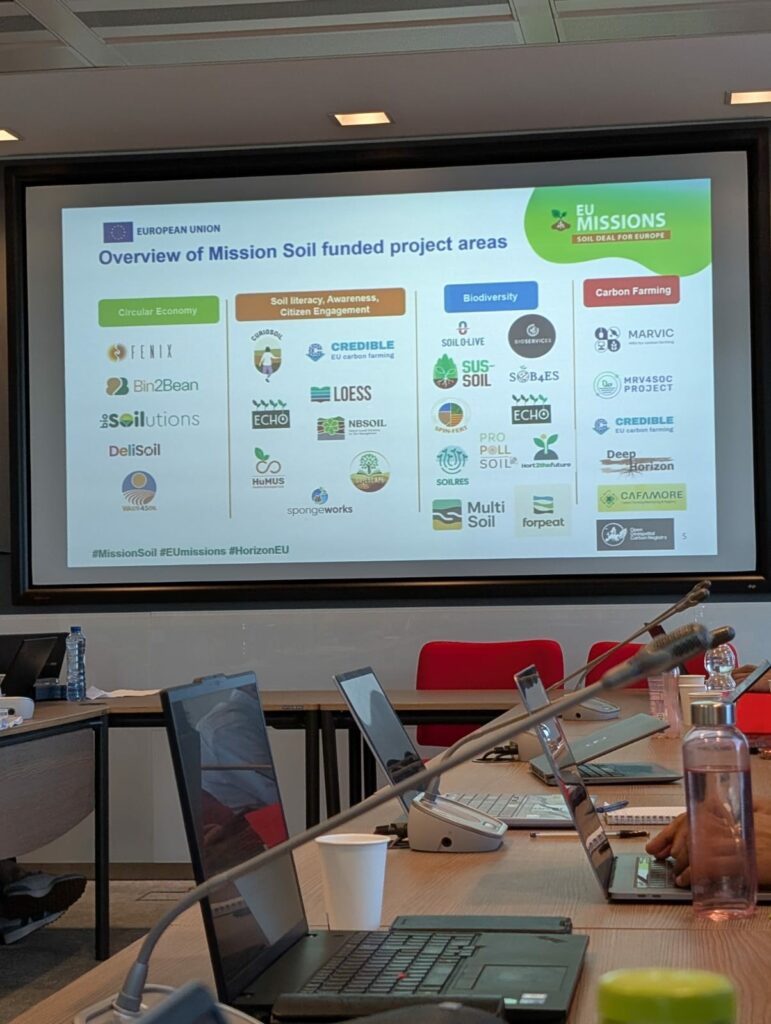
On Tuesday, 3 March 2026, the Horizon Europe projects SPIN-FERT and Hort2theFuture (H2F) convened a joint Policy Scoping Workshop in Brussels (REA headquarters) to present and discuss project results related to EU policies on peat-free growing substrates and biostimulants.
Bringing together representatives from SPIN-FERT consortium, Hort2theFuture consortium, relevant EU policy experts (e.g., DG AGRI, DG ENV), REA, REA External review monitors, invited external stakeholders (industry, organic sector, NGOs), and topic experts, the workshop aimed at:
• Reviewing the current policy landscape and the state of play of project results
• Providing preliminary information suitable for policy recommendations
• Identifying key issues and gaps to define actions relevant to policies
The programme included policy updates from EU officers, presentations of key innovations from both projects, and a joint discussion on opportunities for coordinated policy briefs.
Workshop report
The meeting confirmed that the operational synergy between SPIN-FERT and Hort2theFuture represents a strategic asset for effectively meeting the objectives of the topic and the overall Mission Soil.
It is our feeling that the collaboration between the two consortia has revealed a value that transcends individual project KPIs.
Involving representatives from DG AGRI in this process, i.e. during the session, was not only useful but necessary. The possibility of involving other DGs related to the subject (e.g. ENVI) in future similar events would provide an even better framework for the discussion and the work we carry on. The direct dialogue between institutions developing innovation and those defining the regulatory framework is suitable to avoid the risk of producing scientific and technically excellent solutions that are bureaucratically inapplicable. This exchange was therefore essential to bridge the gap between research and regulatory implementation, favouring real-world application.
Systematizing both projects’ pathways would allow for:
- standardizing recommendations for peat-free substrates;
- aligning technical innovations with the developments of the Fertilising Products Regulation (FPR);
- identifying the regulatory gaps that still hinder the large-scale adoption of such solutions, from both the manufacturers and farmers points of view.
The discussion with stakeholders and other project partners during the workshop allowed us to better understand possible options for policy recommendations. Indeed, there is a clear sense that our scientific evidence is effectively providing a compass for future policy recommendations regarding bio-based substrates and fertilizers, which, however, have to face some regulatory constraints that derive from both EU and national provisions. In this respect, the session and workshop allowed us to acquire some additional knowledge useful to define possible technical solutions that better fit with the current legal framework and also present the issues that we face because of a lack of clear/common regulations (e.g. in case of adjuvants).
We believe that the approach of the session, i.e. direct discussion between projects and DGs’ officers, can help defining the scientific activity and support a better understanding of the implications that its results can have on current policies or legal frameworks, supporting technical choices to be considered by the authority/ies when developing or modifying the provisions (e.g. in relation to the inclusion of new microbial genera under microbial biostimulants). Indeed, besides the normal lobbying and consultation activity from/of industrial parties, we believe that the scientific evidence can be better expressed during such kind of events/meetings and thus would welcome a kind of their “institutionalisation” among the normal dissemination activities of any project.
To maintain the proactive momentum generated in Brussels, we have already scheduled technical meetings between the key players of both projects in the coming weeks. The objective is to define a common strategy (“the way forward”) that integrates the feedback received during the policy session and coordinates upcoming research and dissemination activities, moving forward in a unified and synergistic direction. This is seen as a possibility of providing the EU Commission with a “common single message” based on policy recommendations derived from both projects independently, but with a synergistic approach.
 Created by ASN